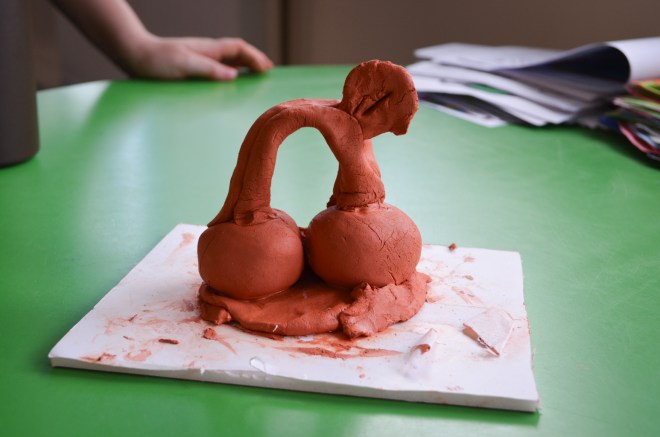
As a freelance artist, alongside commissioned work and my own studio practice, I work with arts organisations to support public art related projects. My most regular of these roles is with The Stove Network in Dumfries, where I have been the Public Art Lead for several years. As part of this role, I was recently asked if I would visit the P4 class at Laurieknowe Primary in Dumfries who have been studying different types of art this term with their teacher, Mr Milligan. After a short think, I decided to run a short workshop with them, exploring ideas about art in public – looking at examples we could find around the town (and why they might be interesting or important) and how we might re-imagine some of these spaces for ourselves. If you are not local to the Scottish school system, P4’s are approximately 8 years old and a really brilliant age to begin these conversations with. They were opinionated, knowledgeable about their local place, creative (and proud of it!) and curious. As usual, 1.5 hours never feels like long enough, but it was great to make a start on this conversation – and hope that it can spark some big ideas for their class in the future.
Special thanks to Mr Milligan for asking me along and being so enthusiastic to my proposals, and the P4 class for giving their attention and energies to this activity.
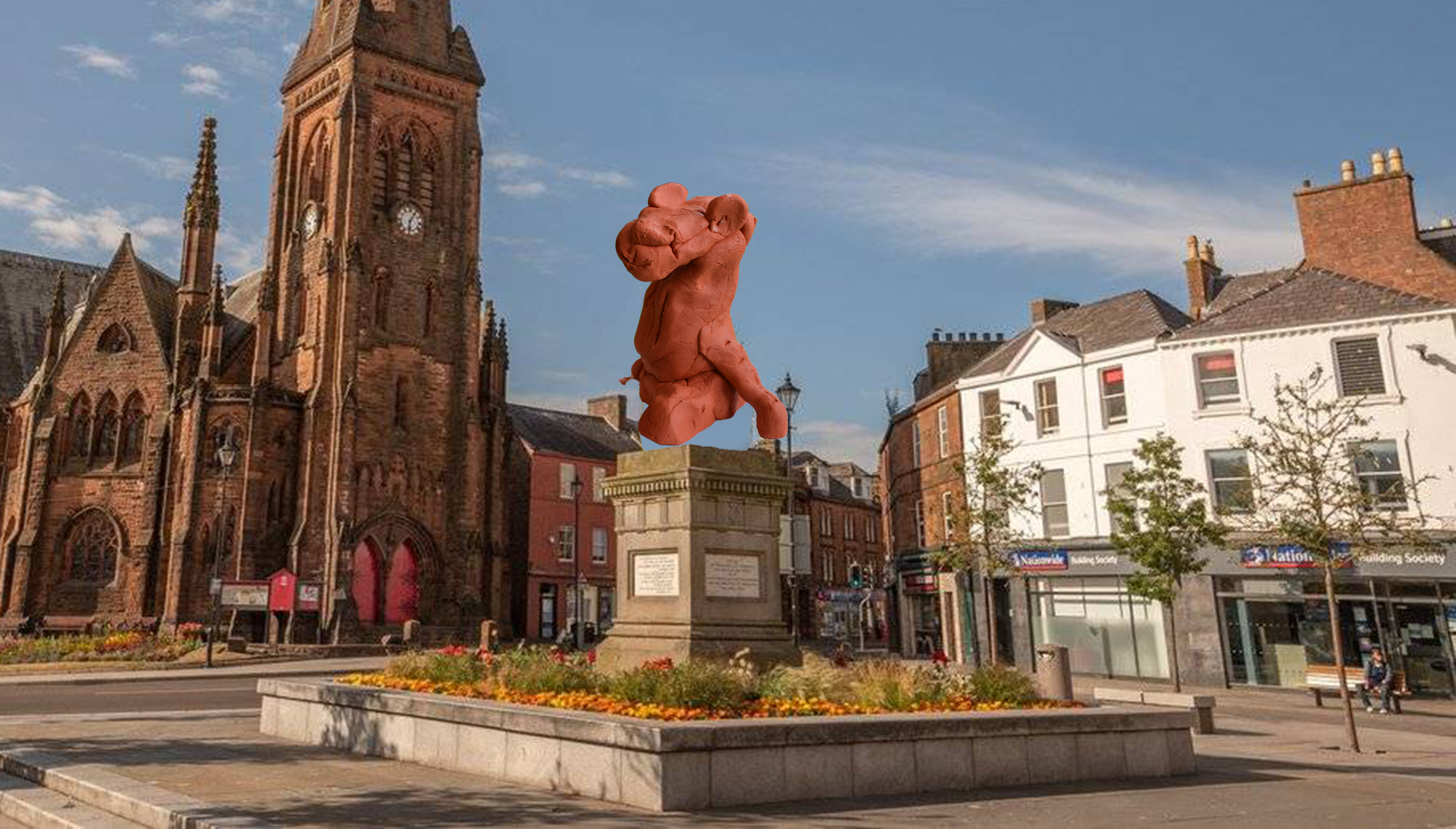
I decided to focus attention on Burns Statue, a prominent landmark of nation’s bard (you could be mistaken for thinking not much has happened in Dumfries since 1796) and asked the class to consider what we could replace the statue with.
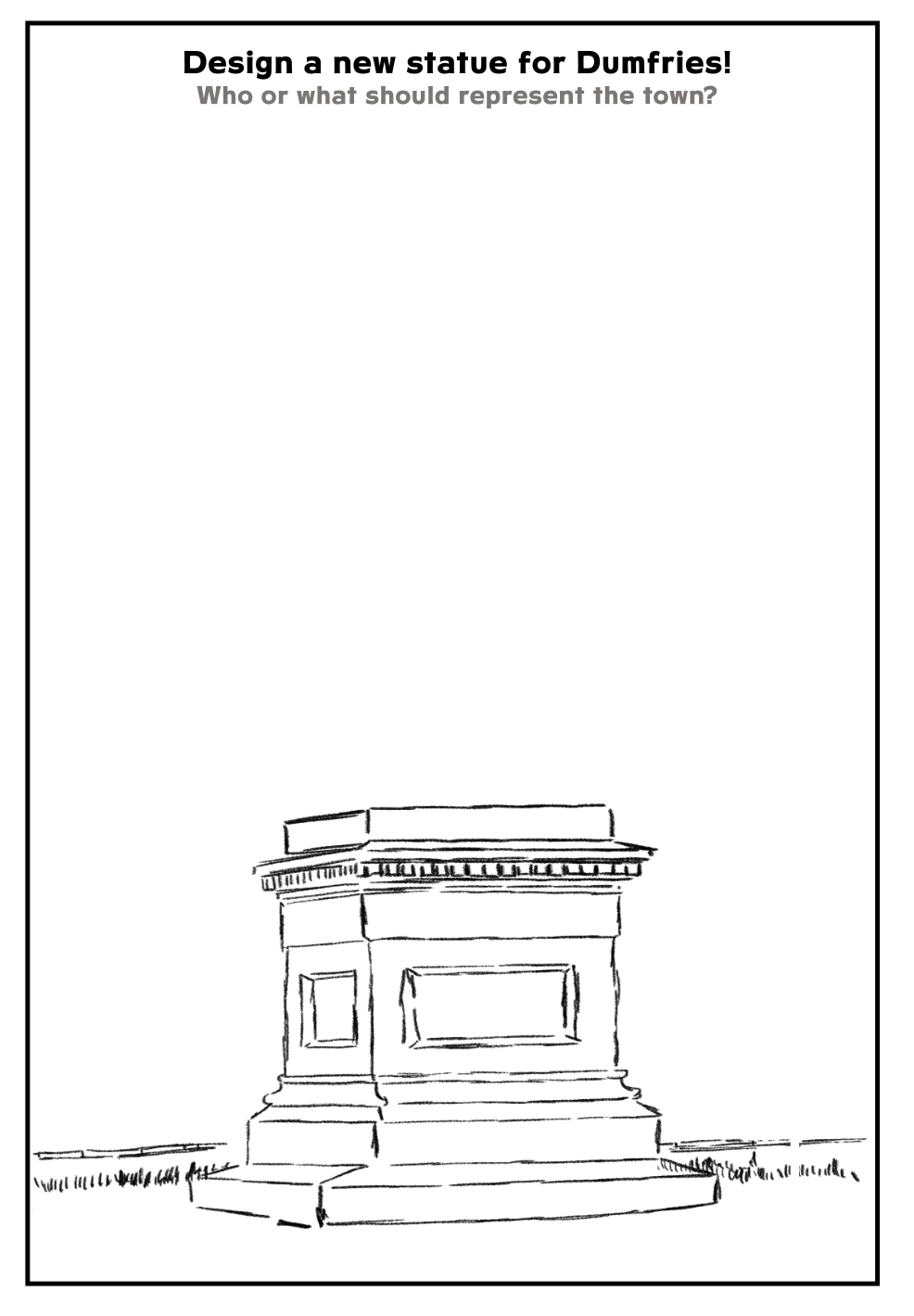
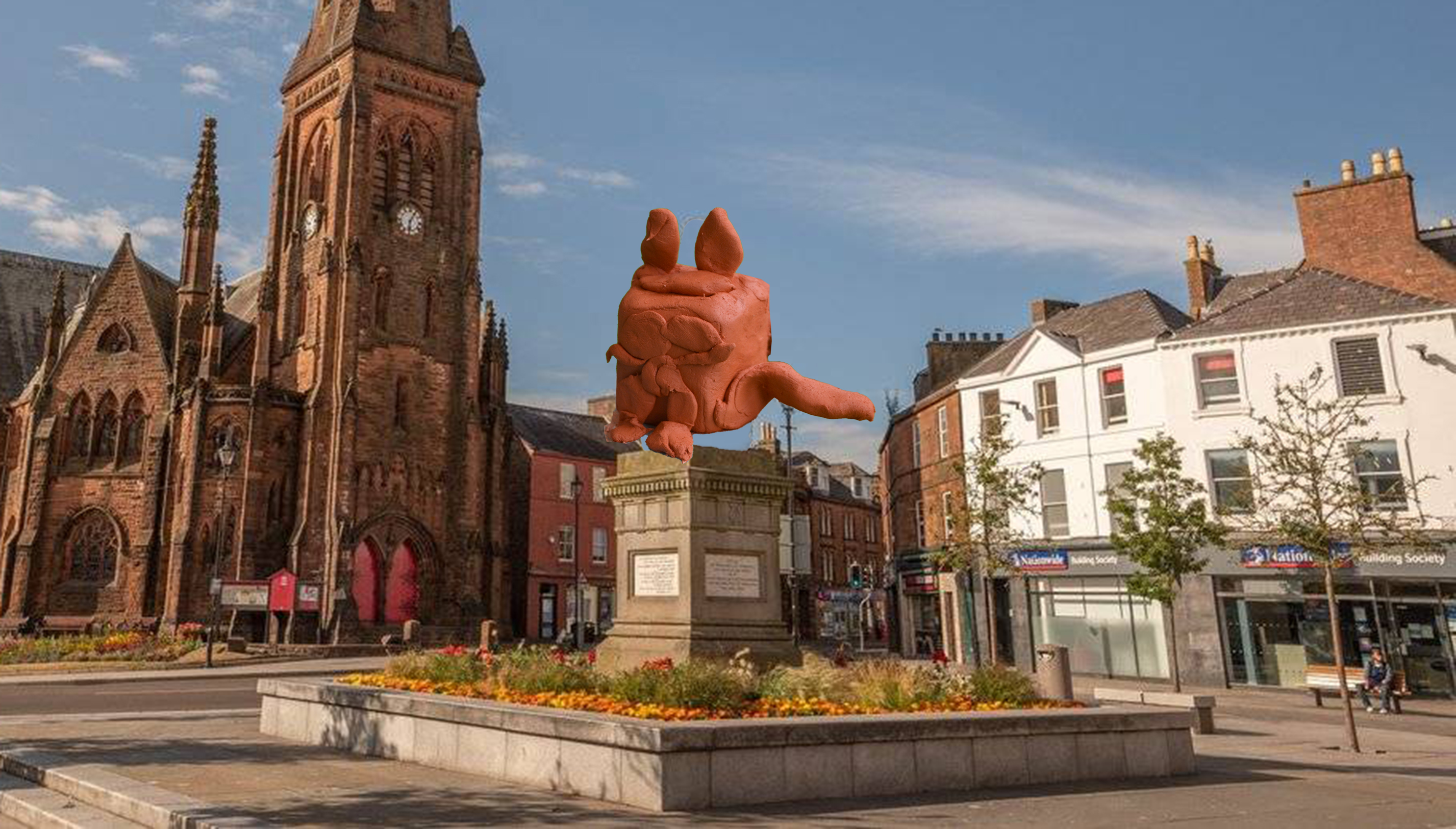
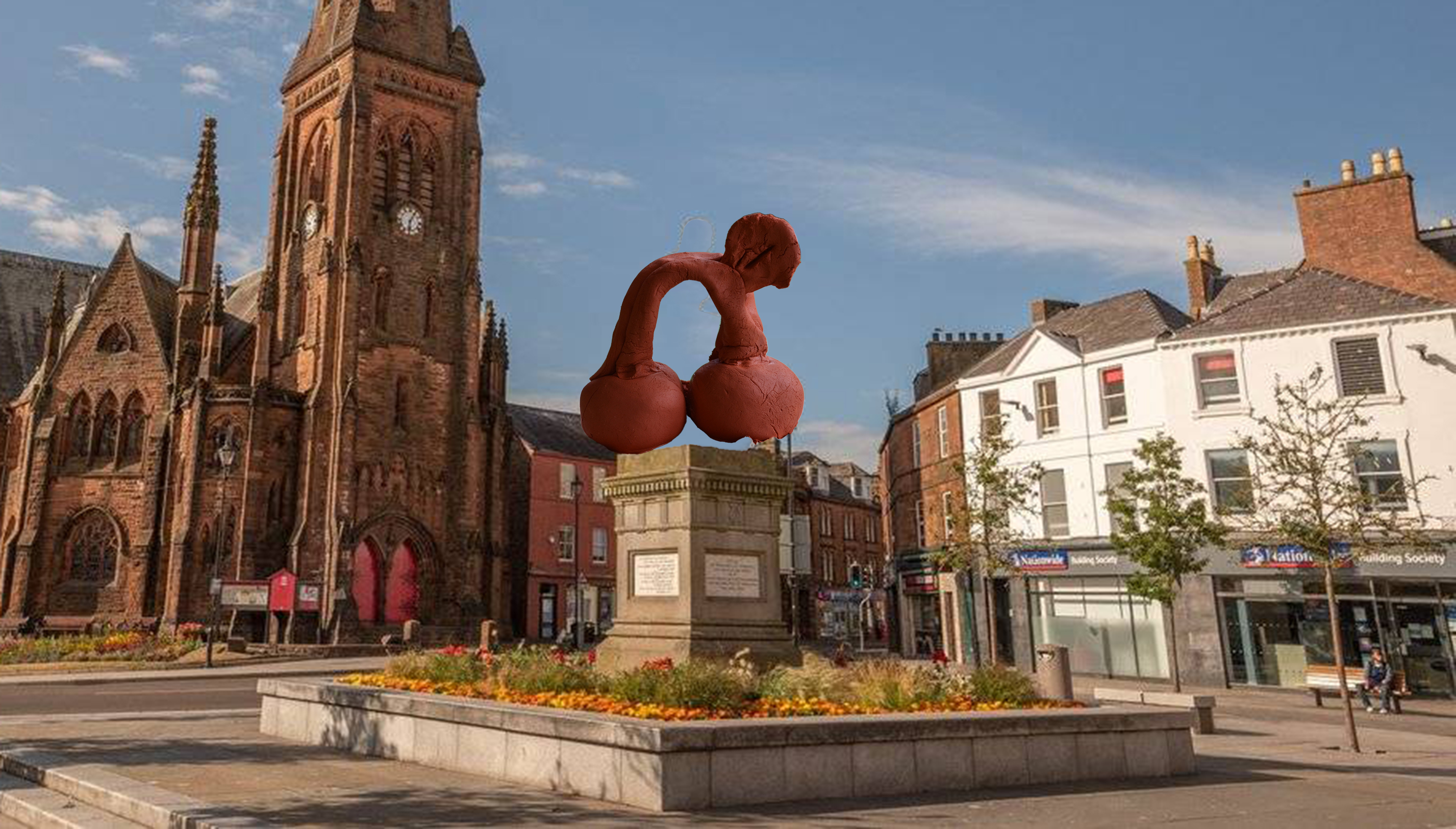
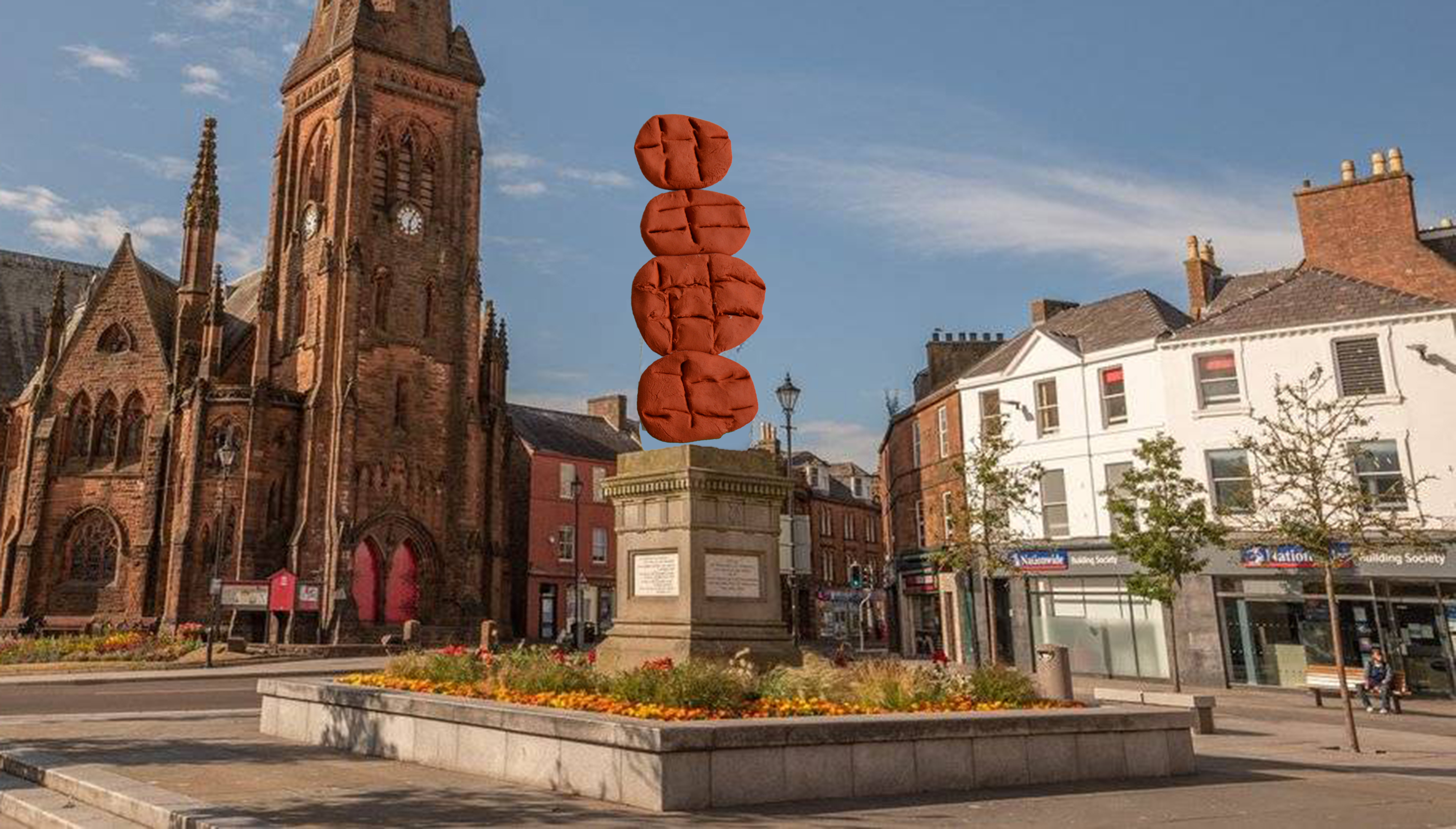
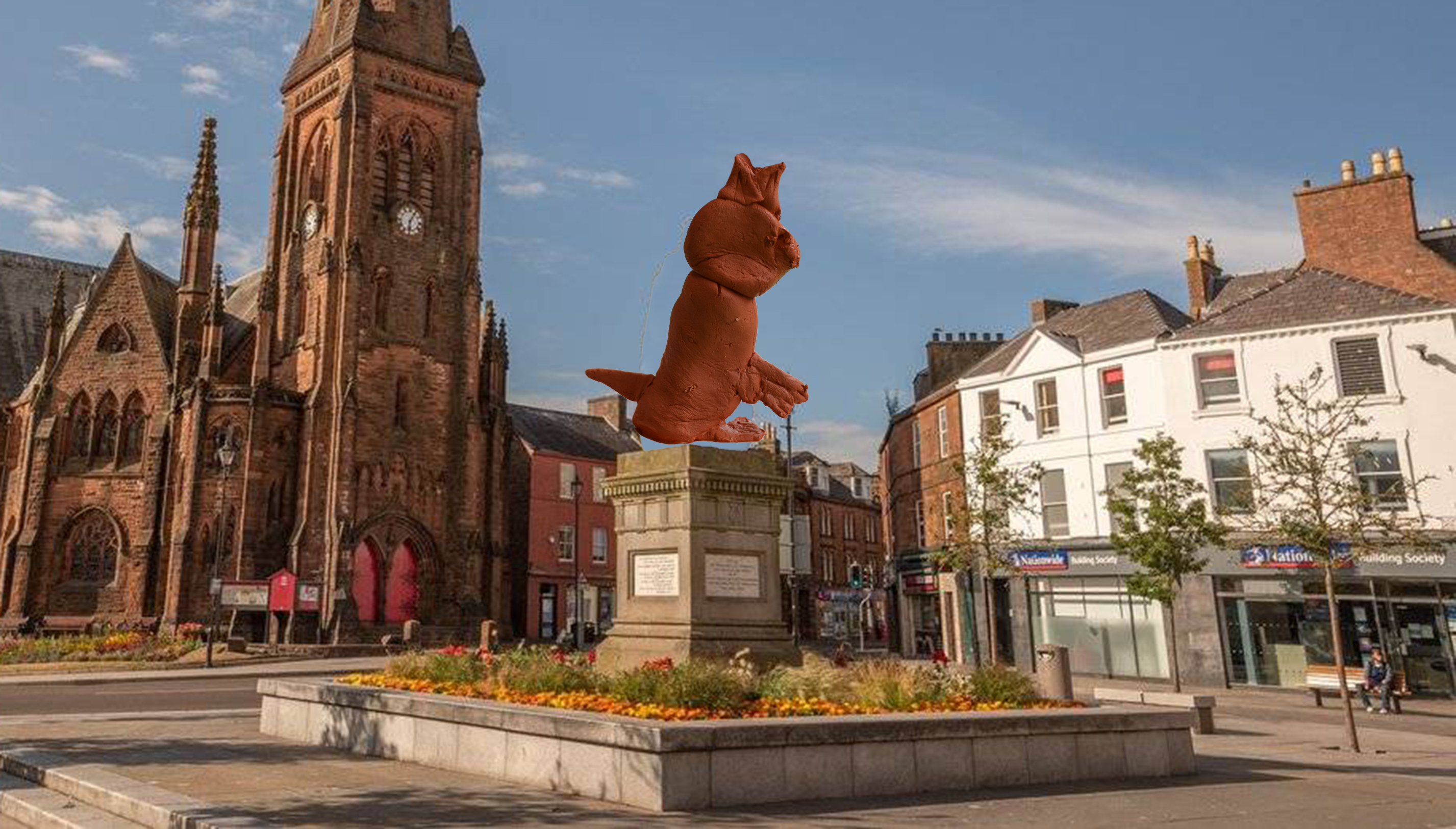
As you can imagine – the suggestions ranged pretty broadly: from favourite animals to favourite foods (giant bar of chocolate anyone?), bunches of flowers, memorials to lost pets (RIP hamster) and monoliths inspired by their other topic this term: Egypt. (Note: 8 year olds are reasonably influenceable, and the propensity for cherries that appeared in the proposed artworks was largely based on my sharing of some examples of London’s Fourth Plinth, and in particular THE END, a sculptural piece by Heather Philipson of a large dollop of cream with a cherry on top (and a drone) resonated visually with the class).
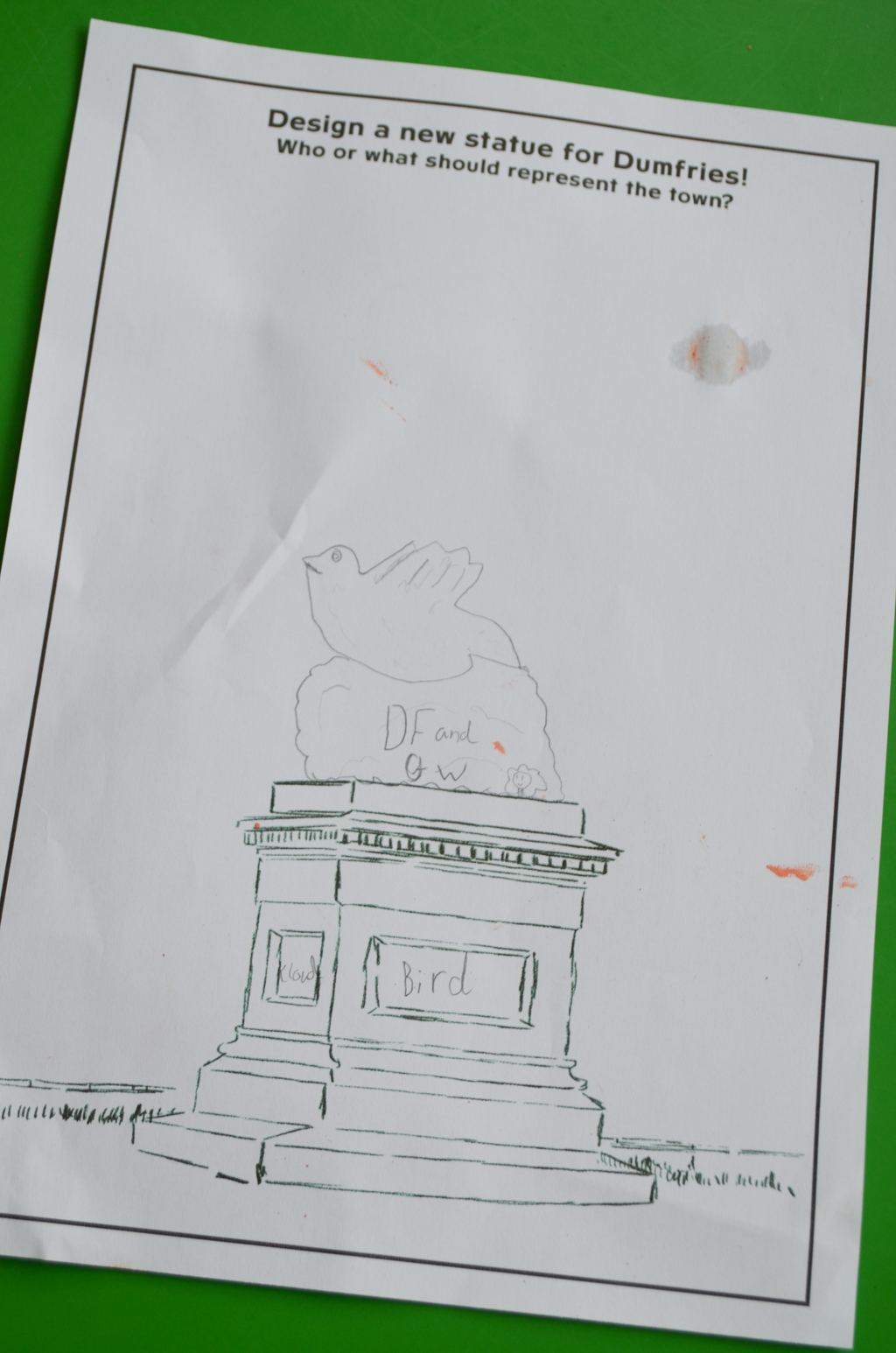
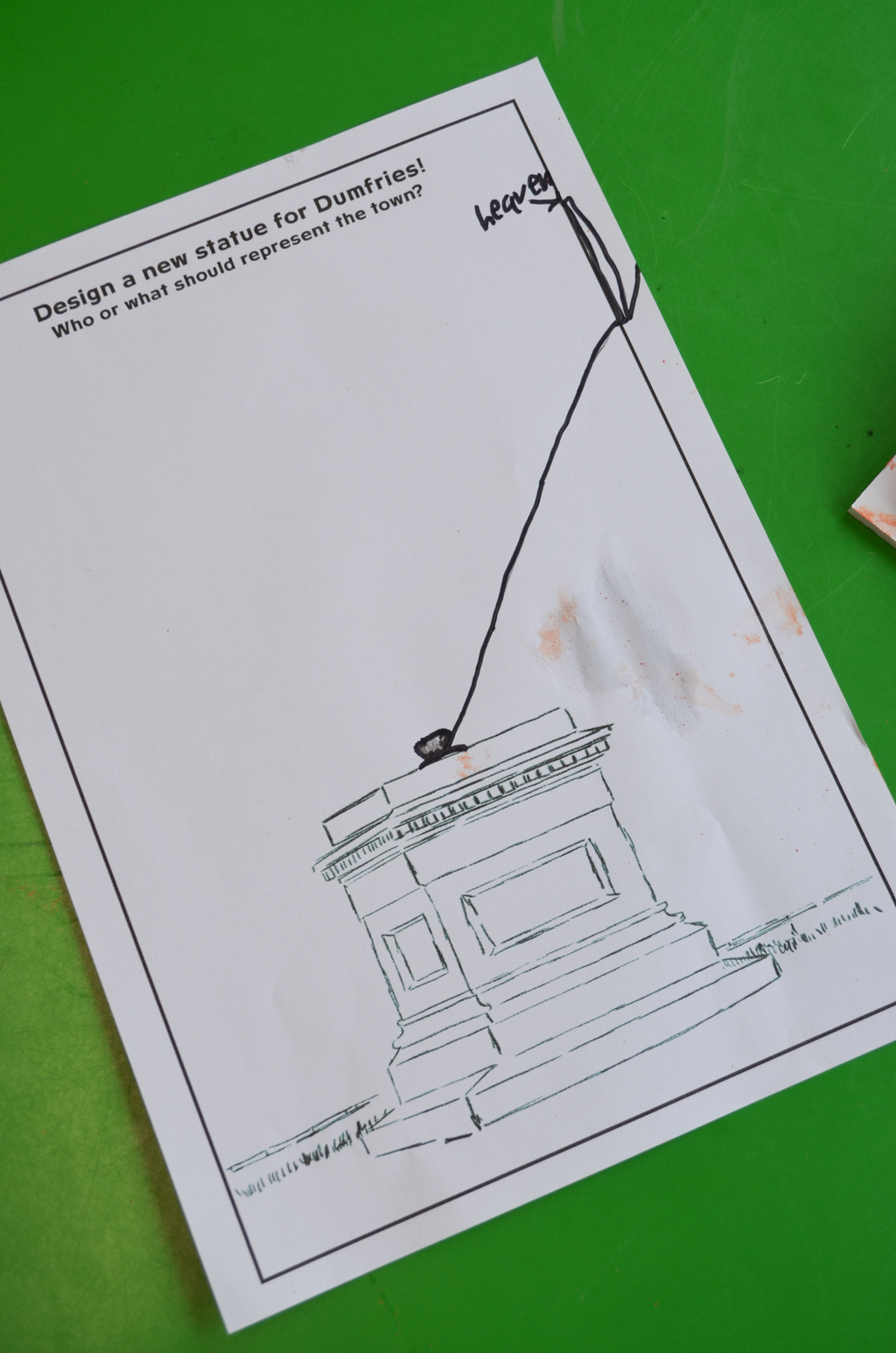
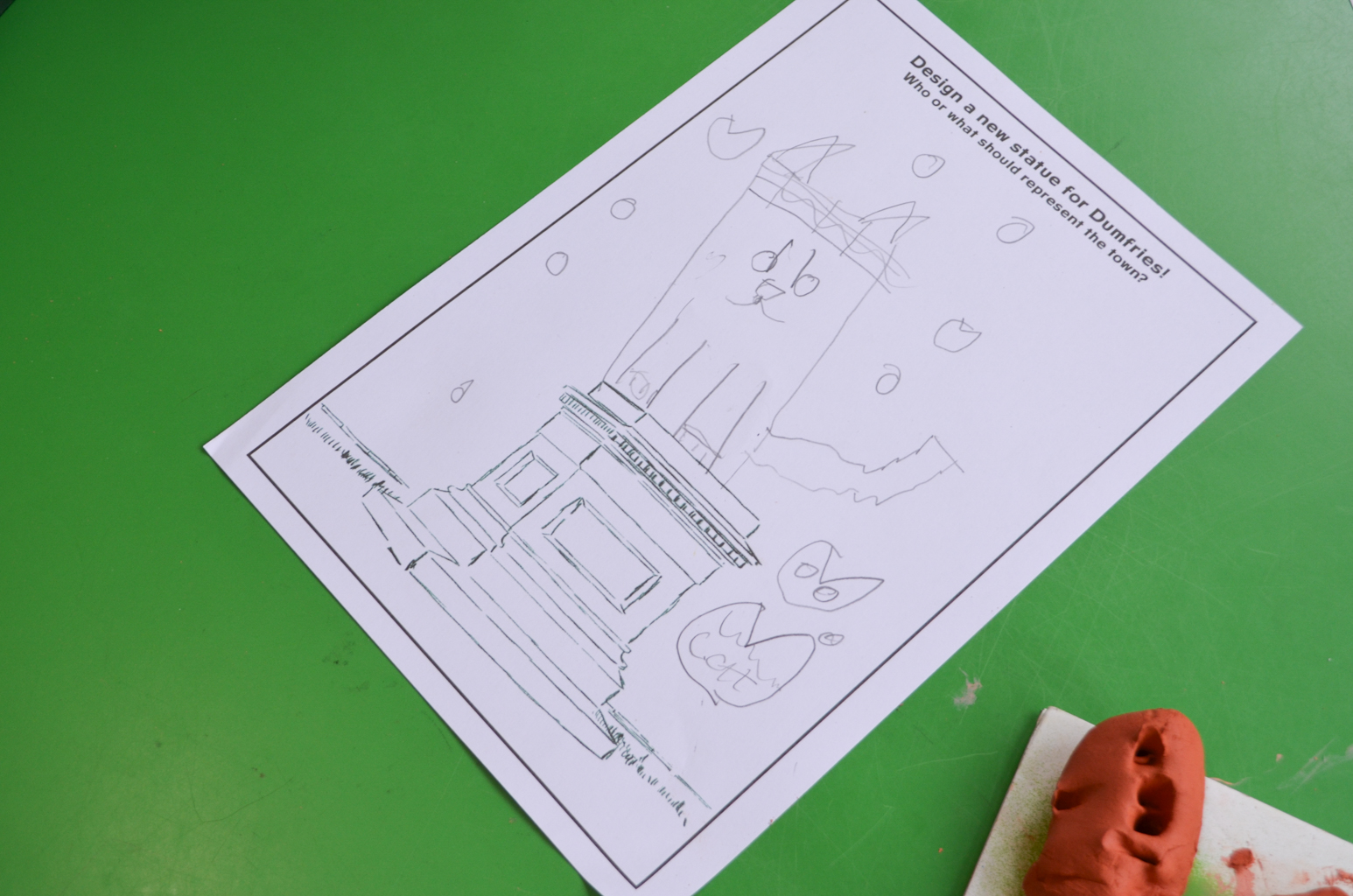
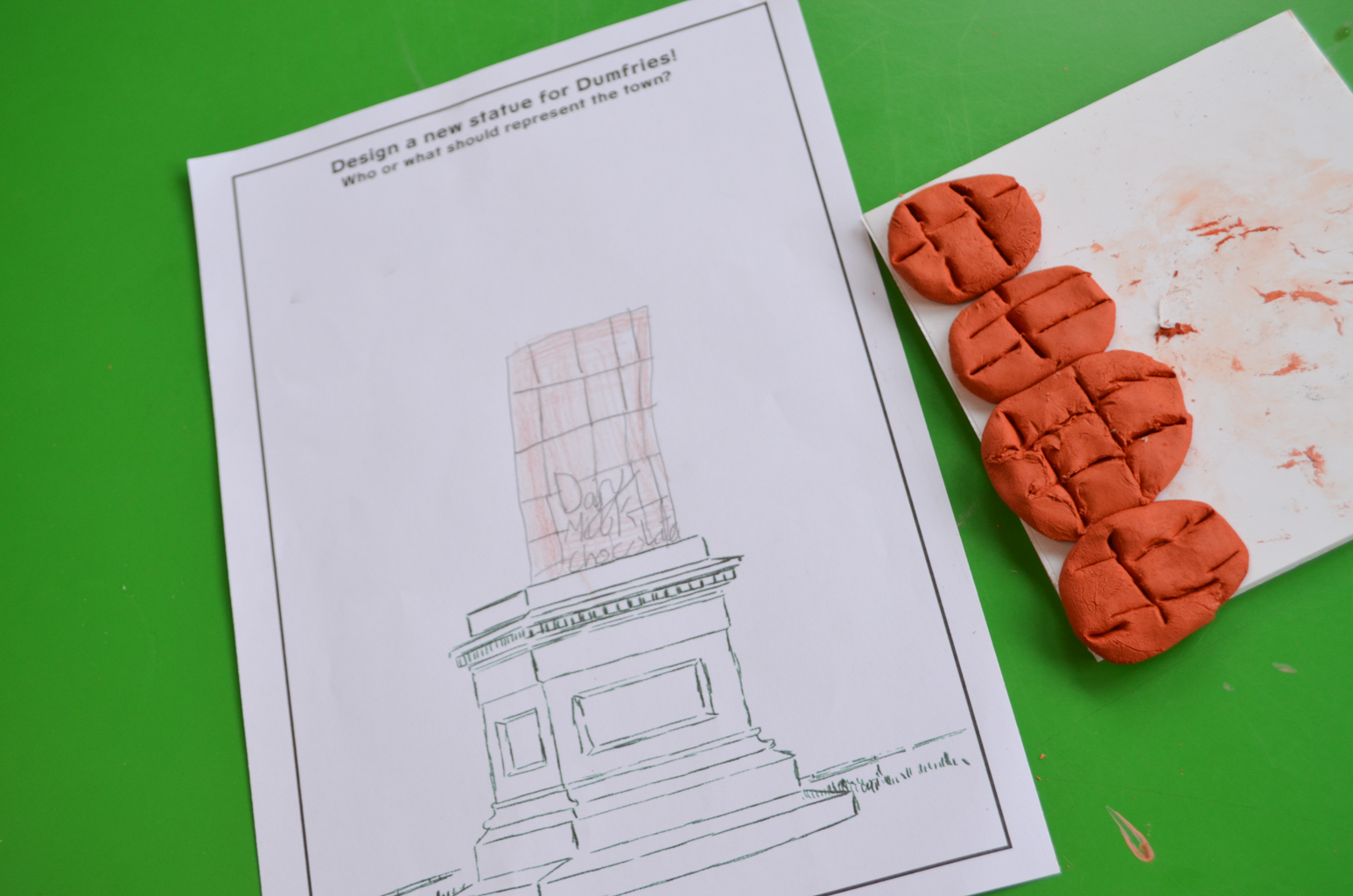
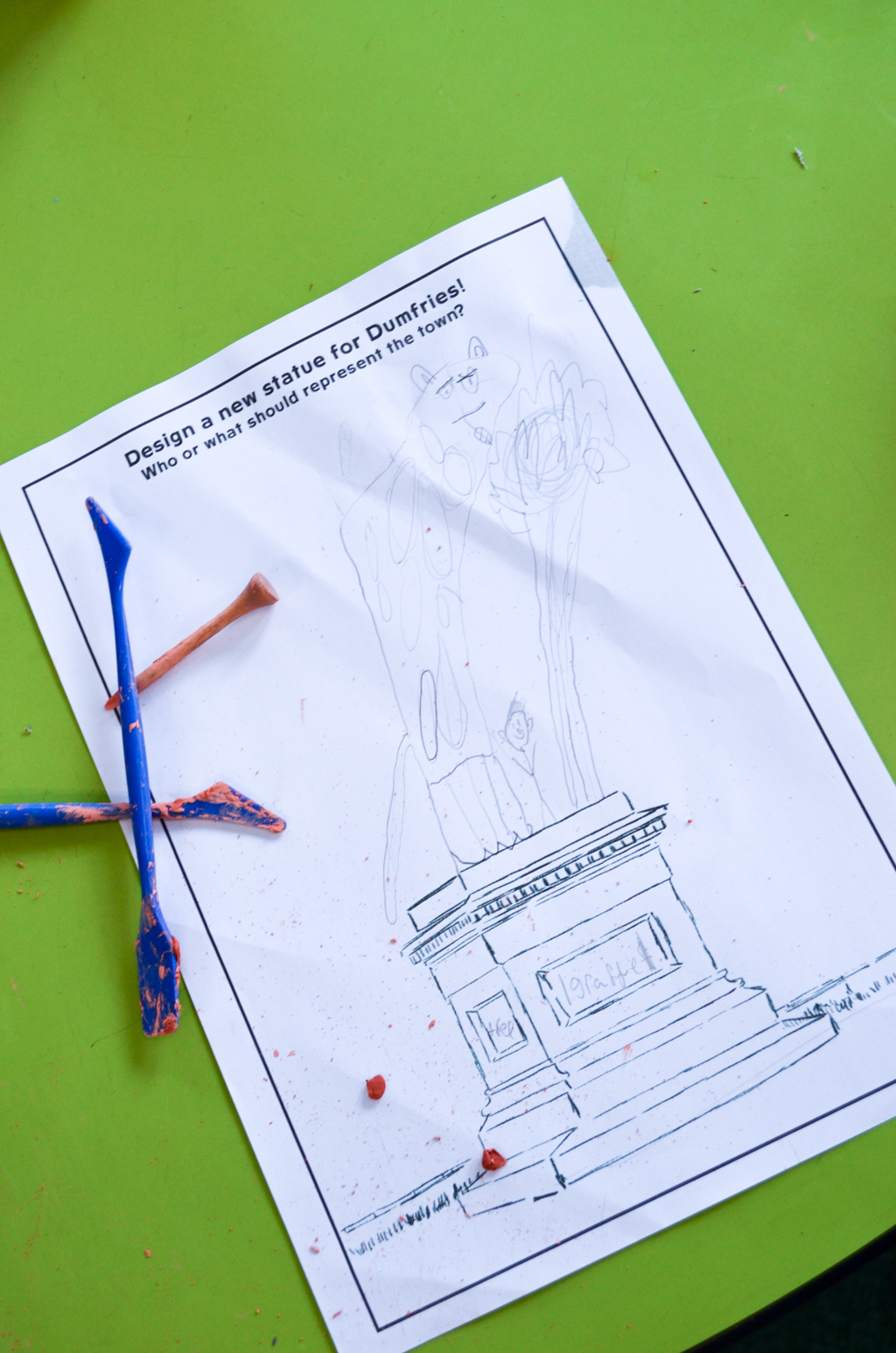
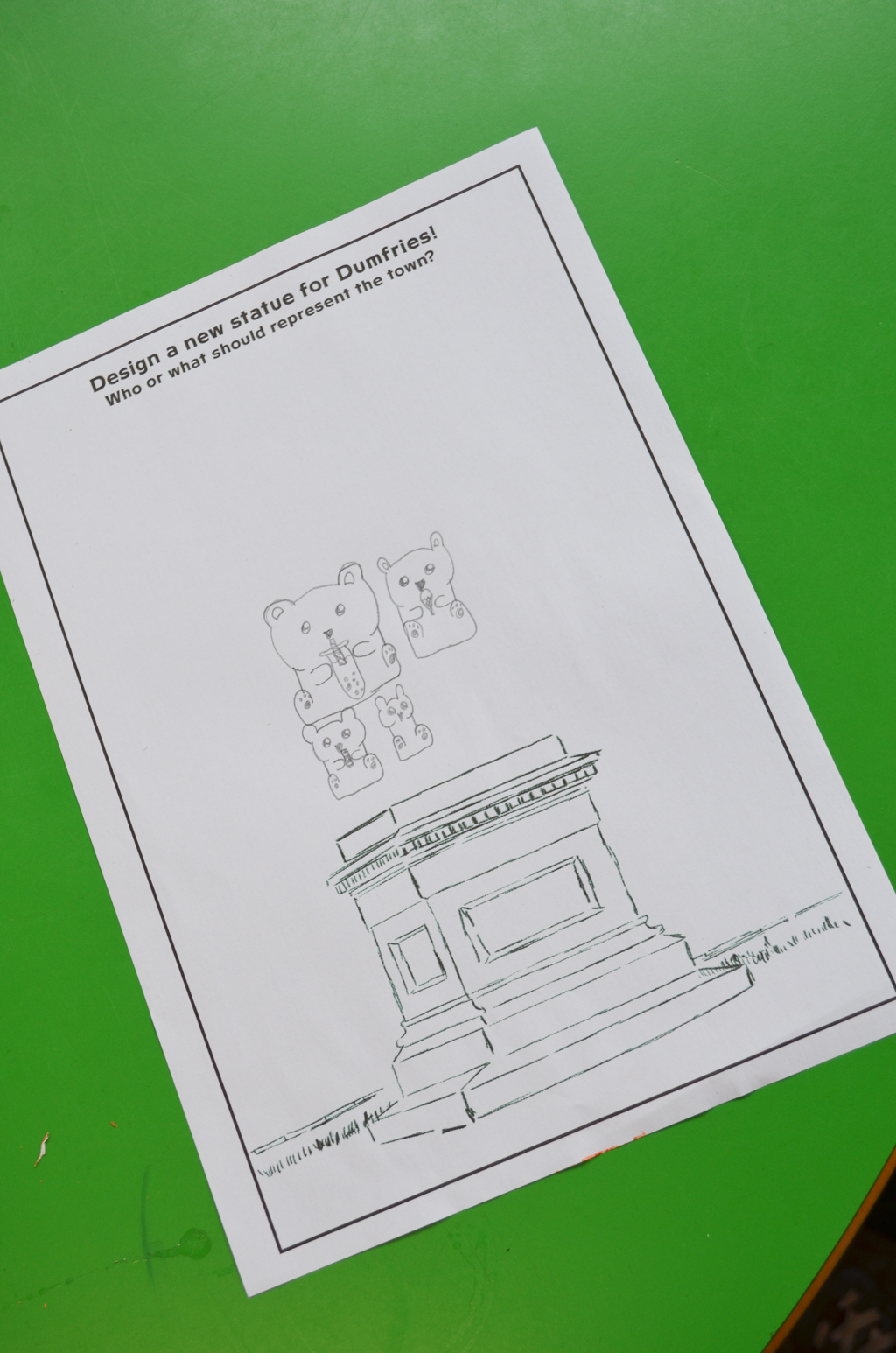
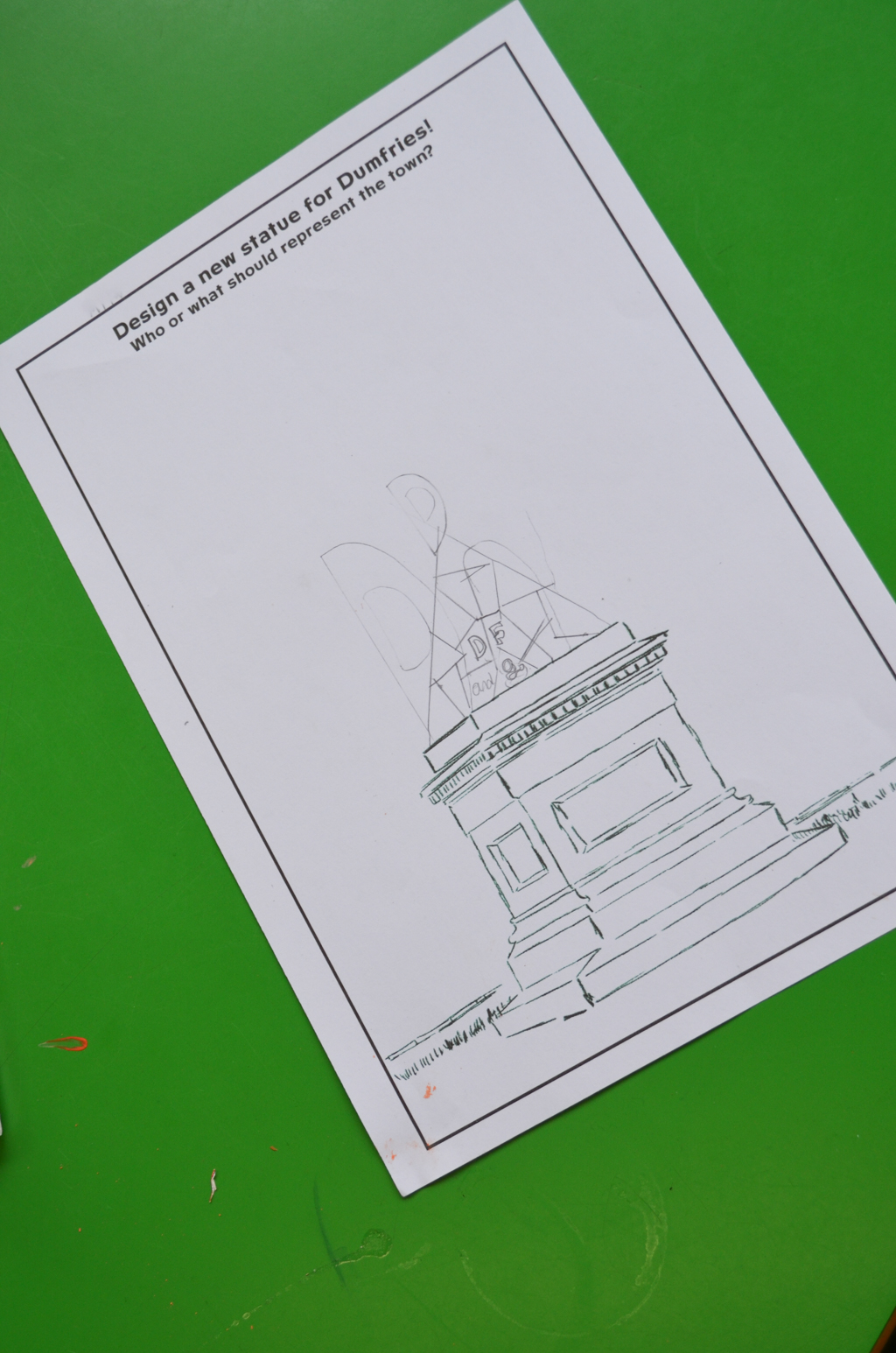
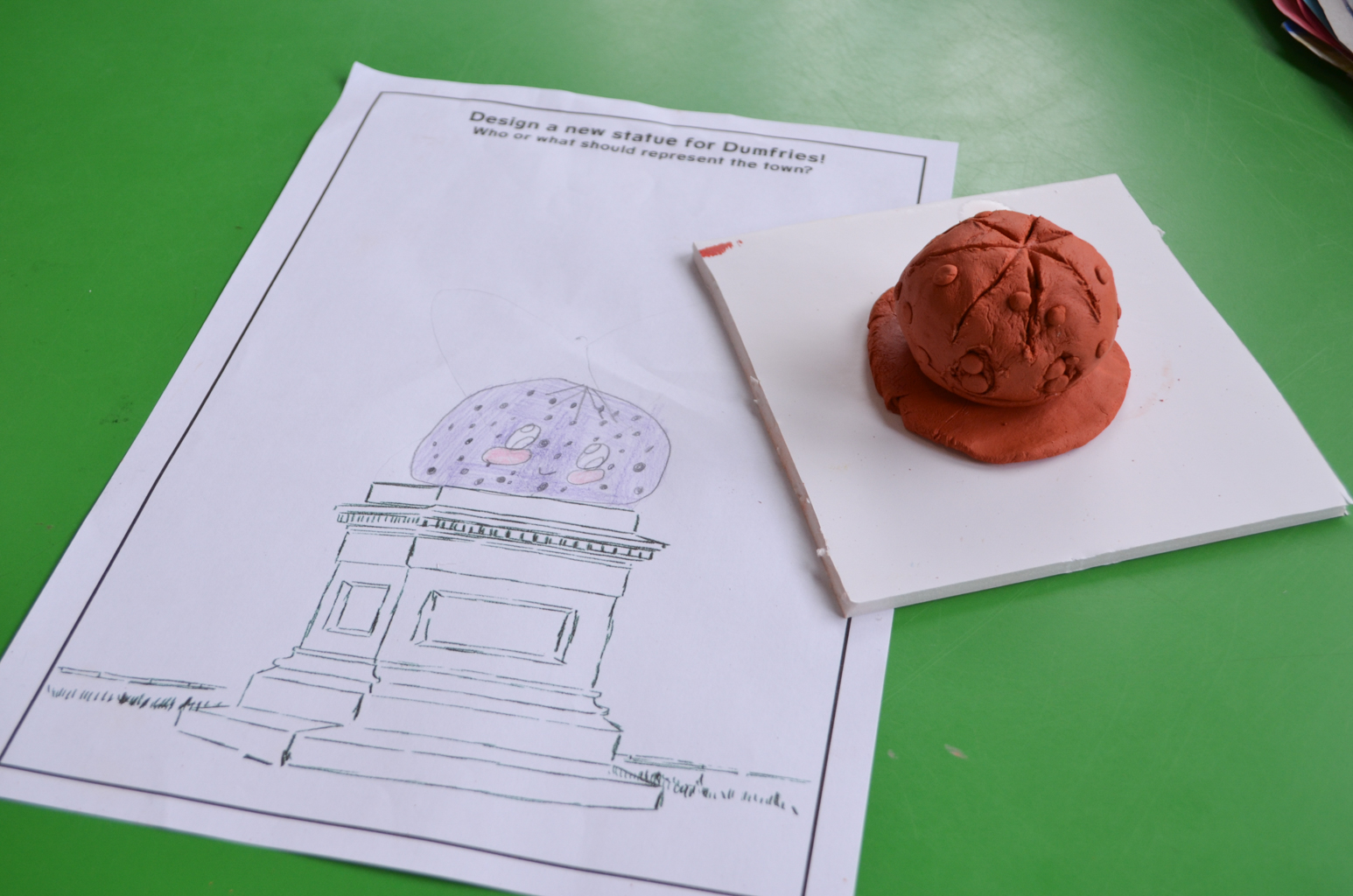
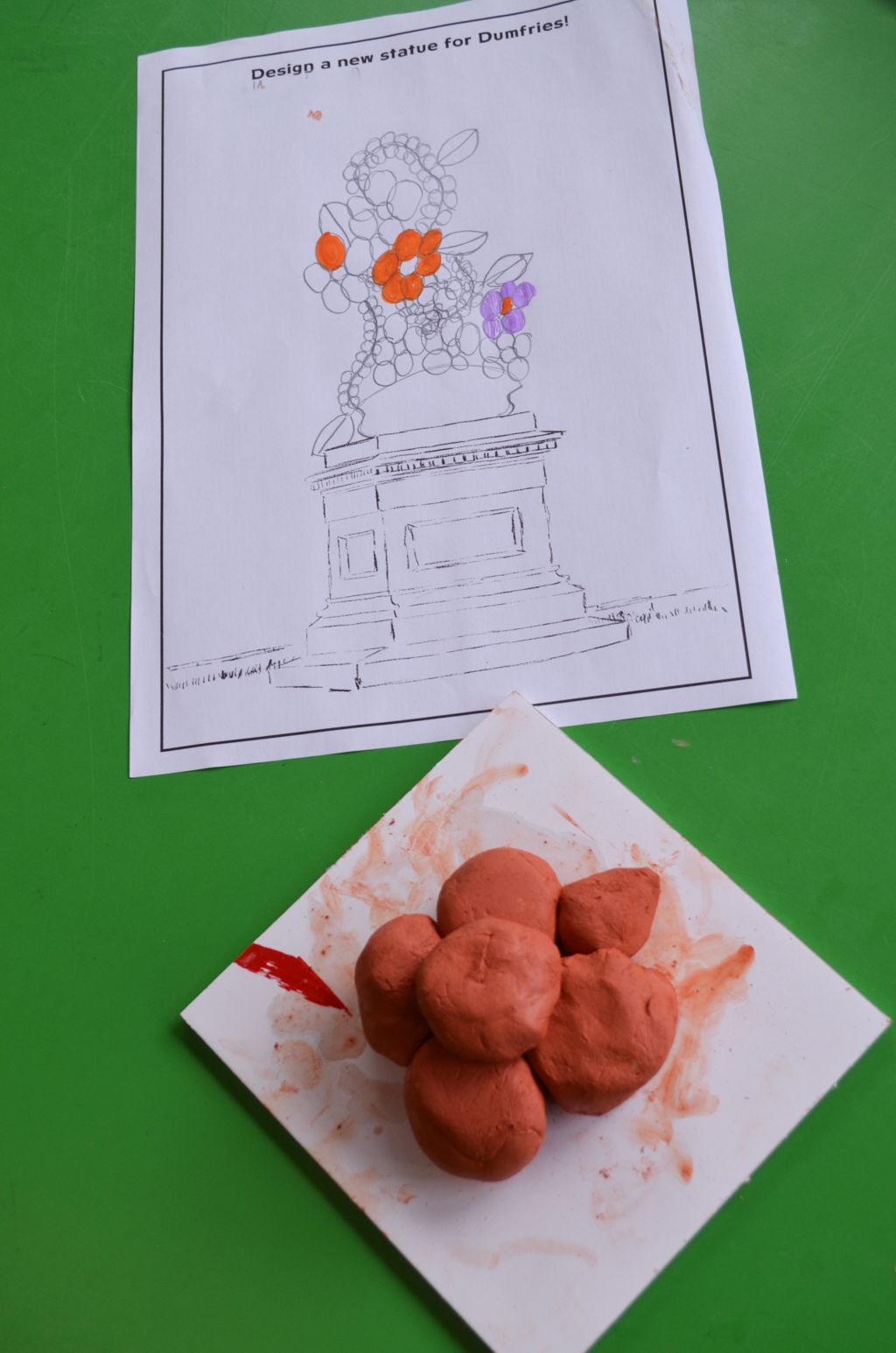
Once we’d spent a bit of time on some designs, we then had a go at modelling our ideas in clay. The jump from two dimensions to three can be a bit intimidating for most people but we were encouraging playful re-interpretations or developments of their original ideas, so some people picked up details or entirely new variations of their first drawings to make into sculptural proposals. I always really enjoy this stage – encouraging students to react and be responsive towards the material and not feel too entrenched in their first idea always feels like a big step.
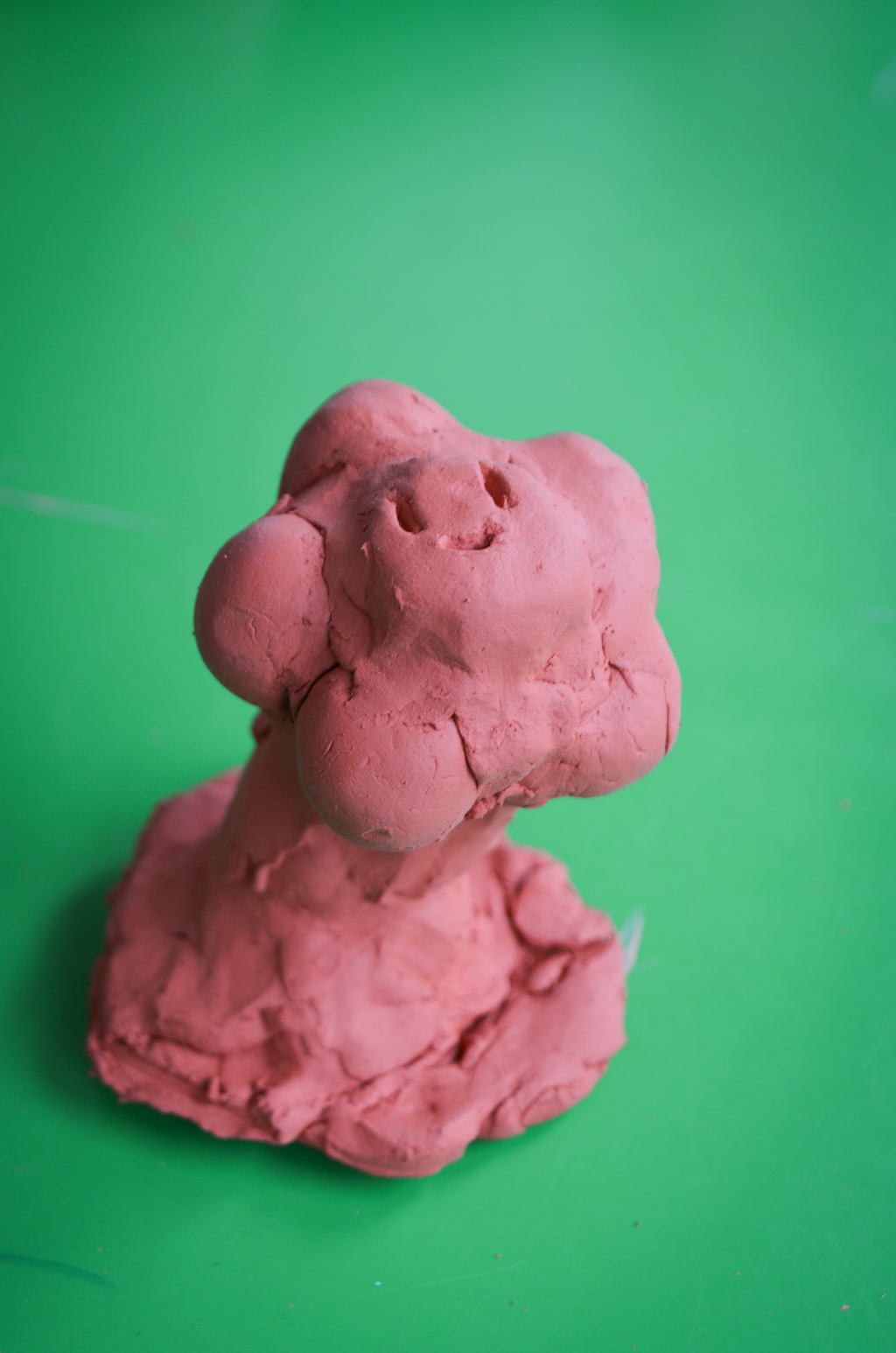
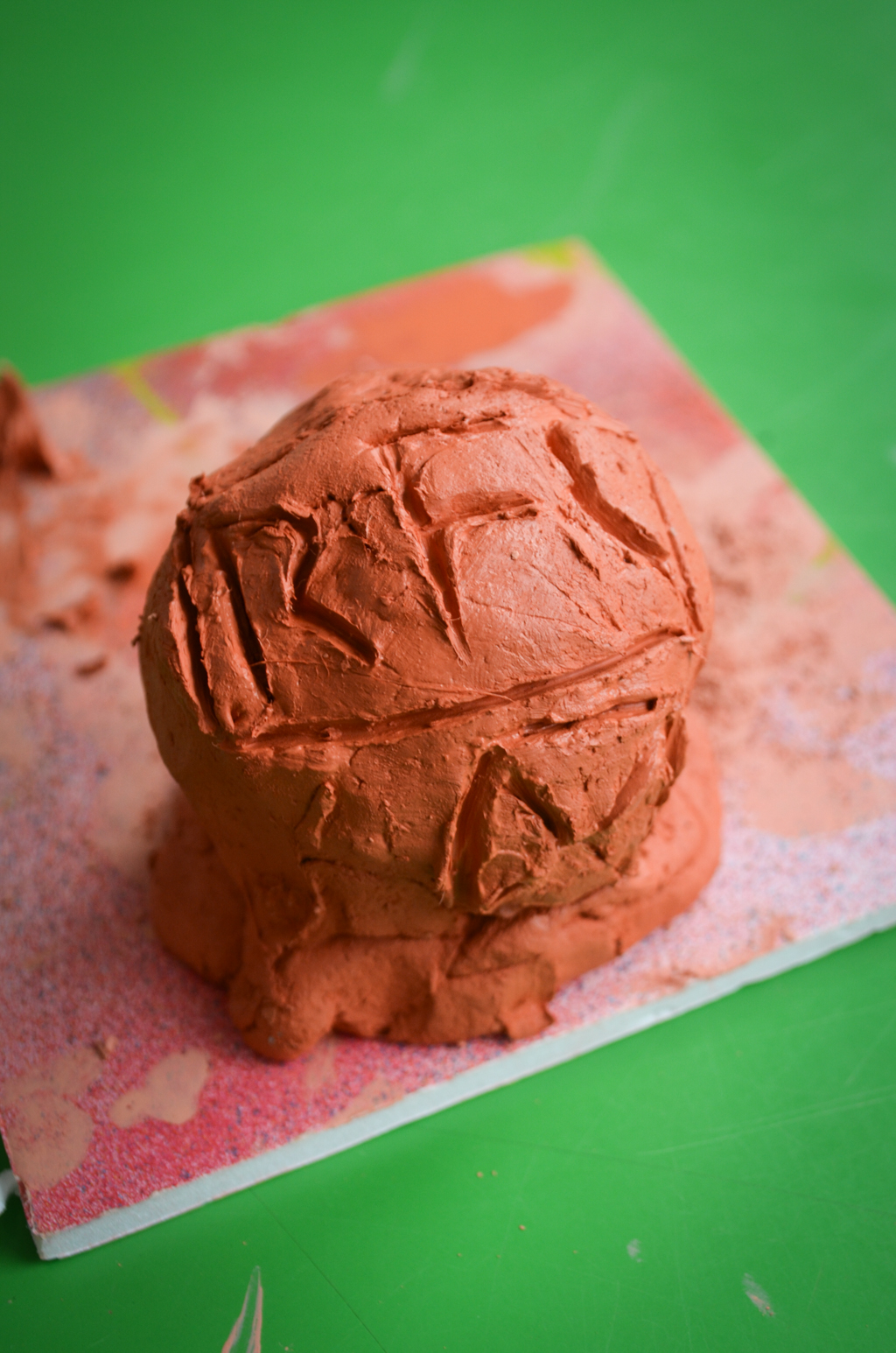
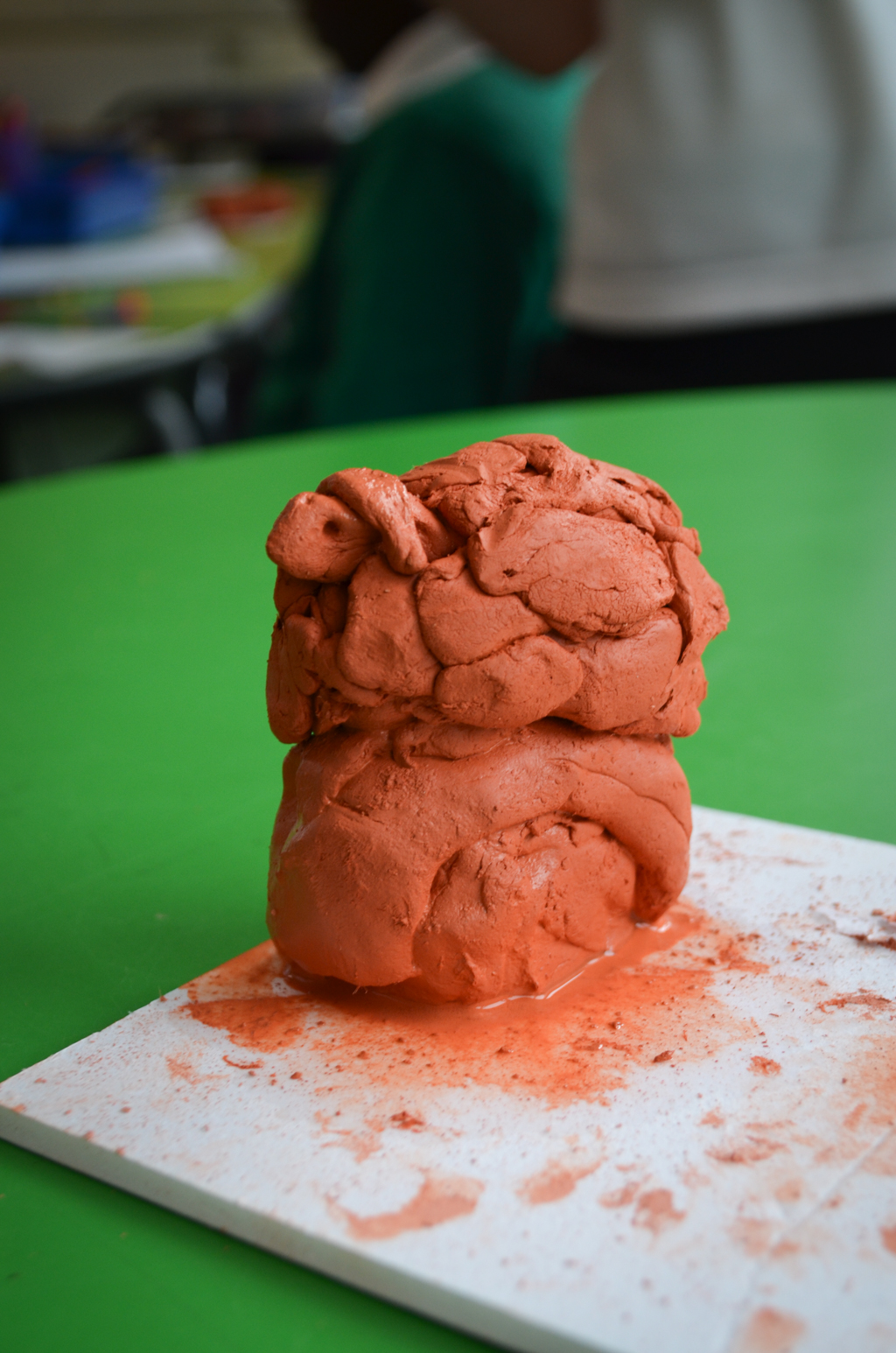
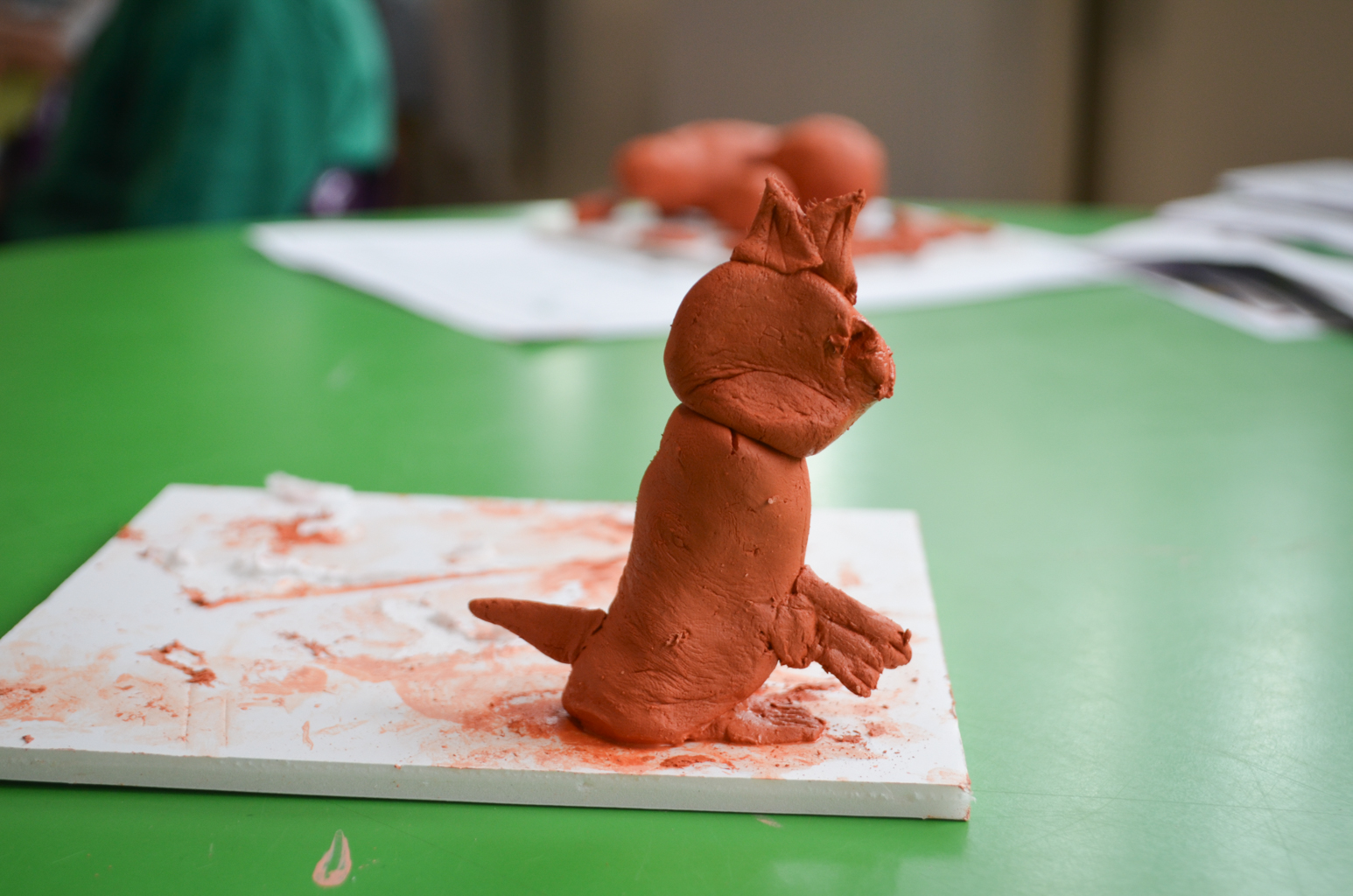
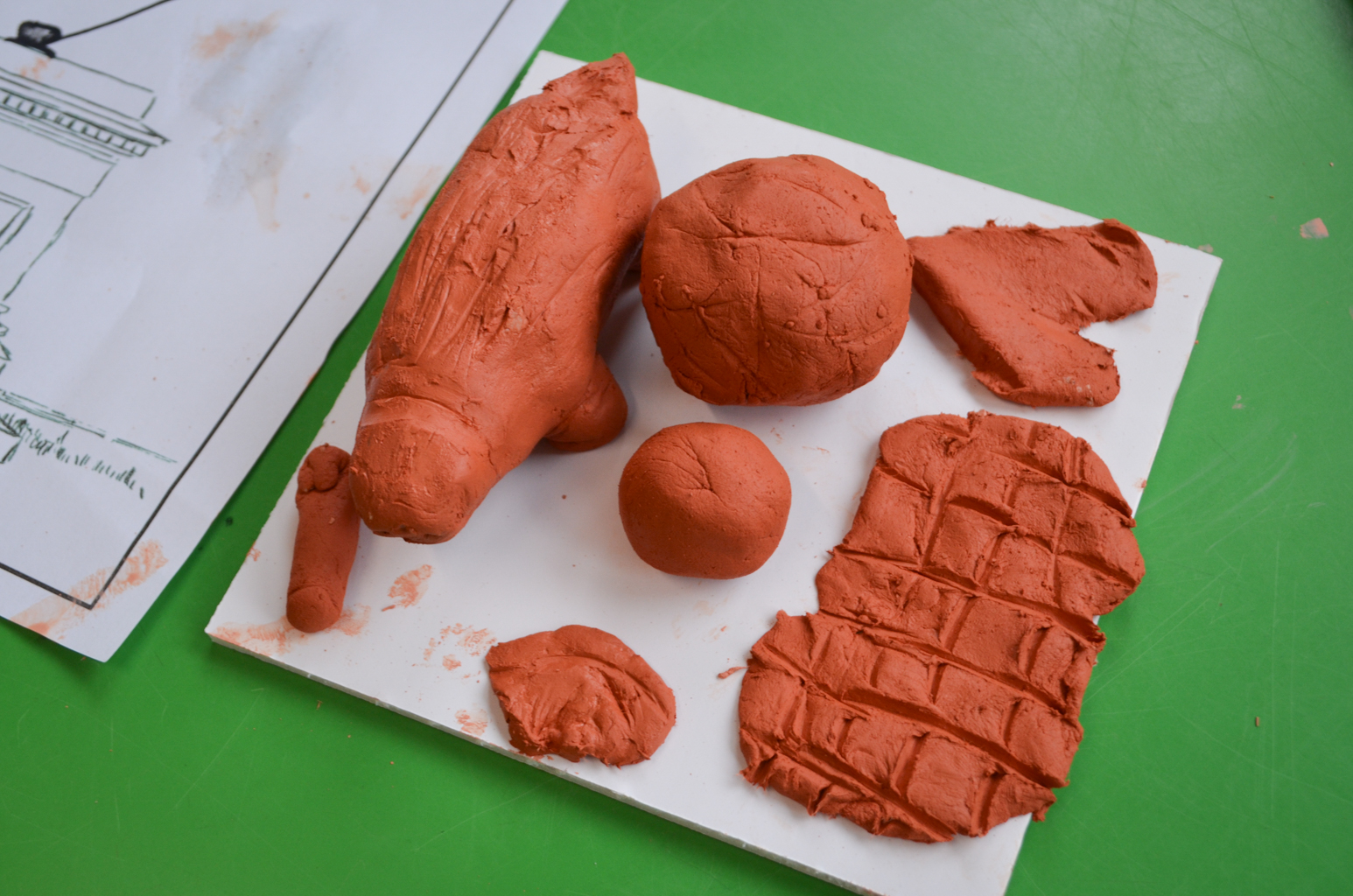
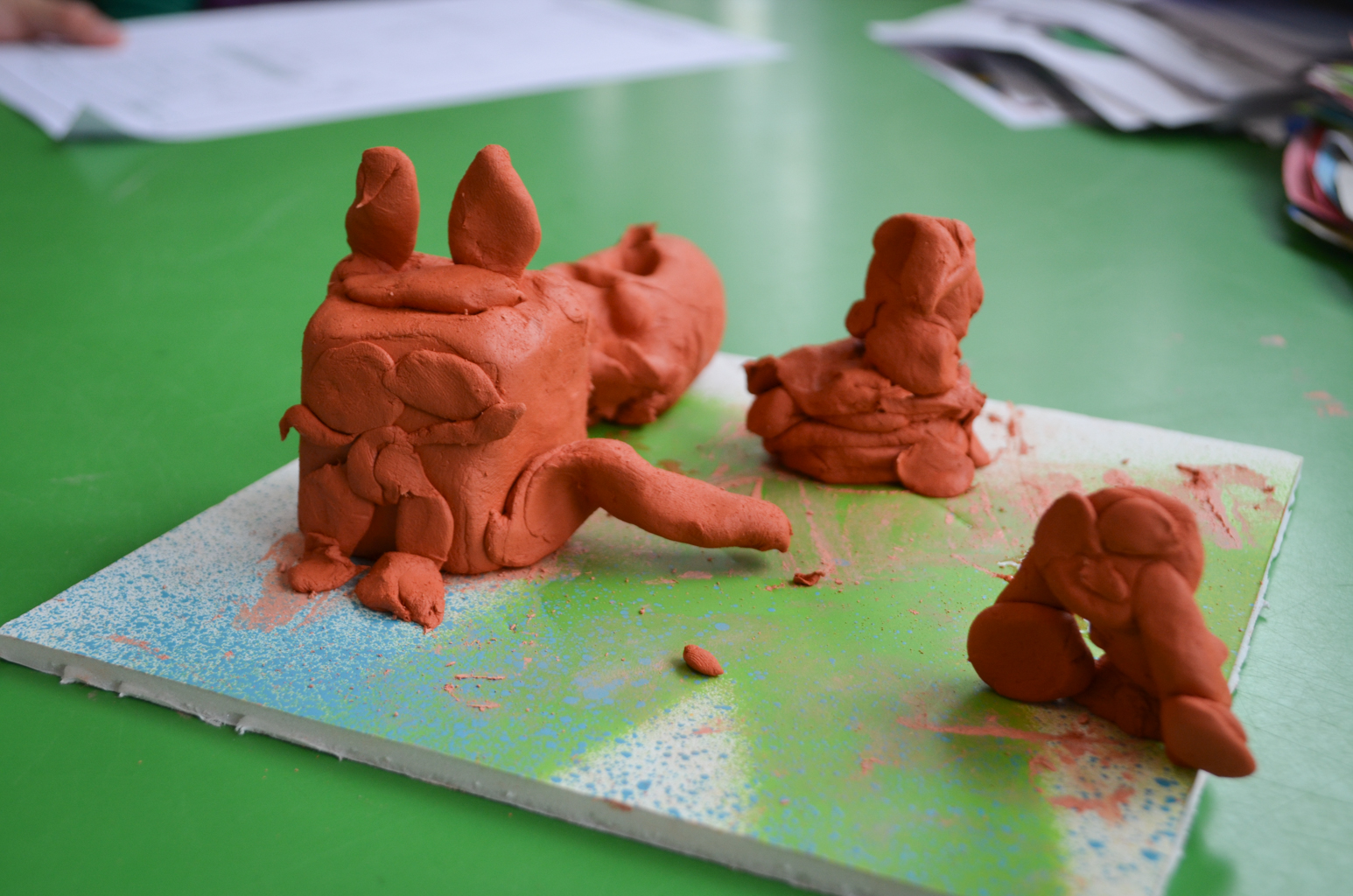
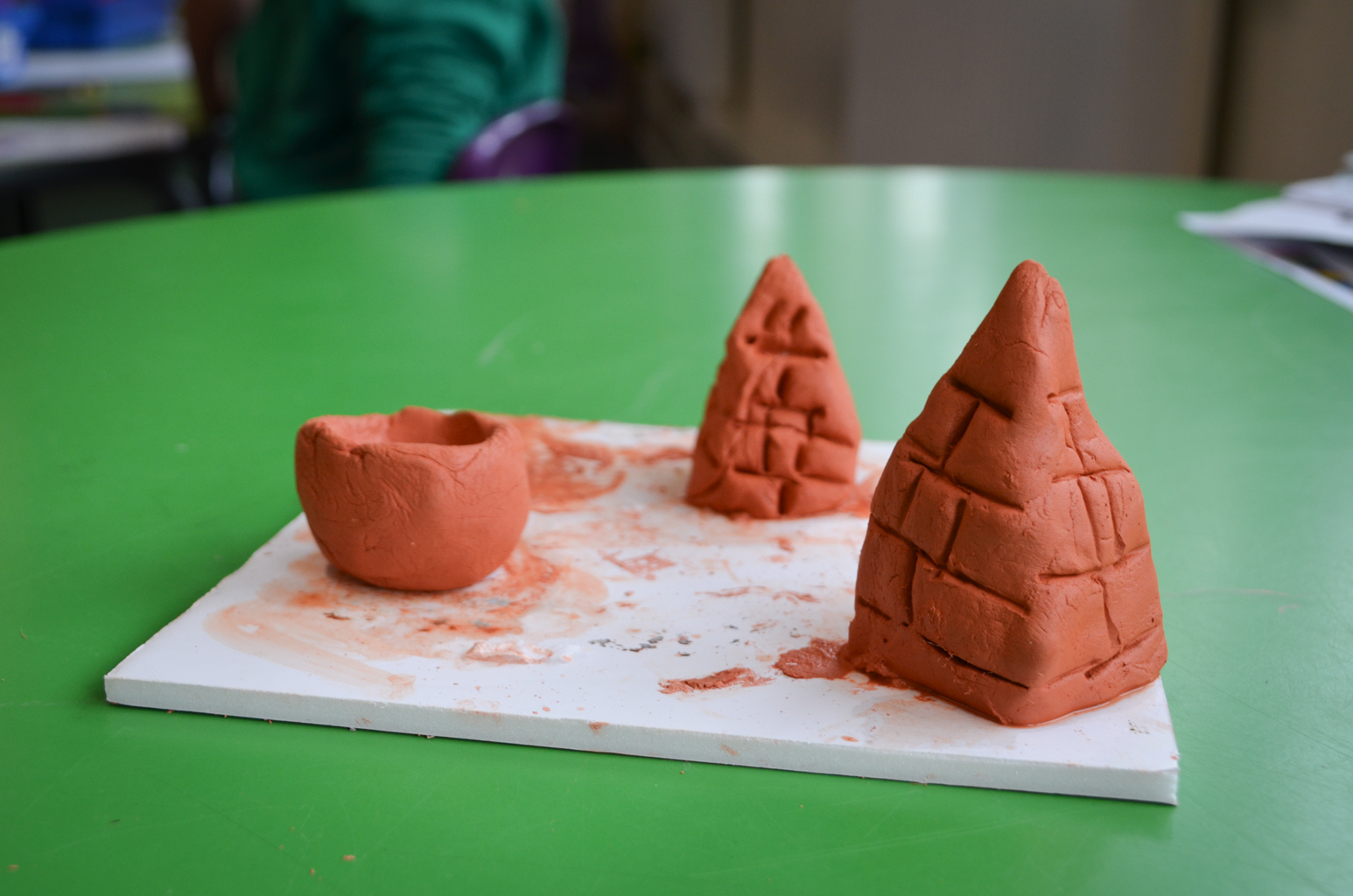
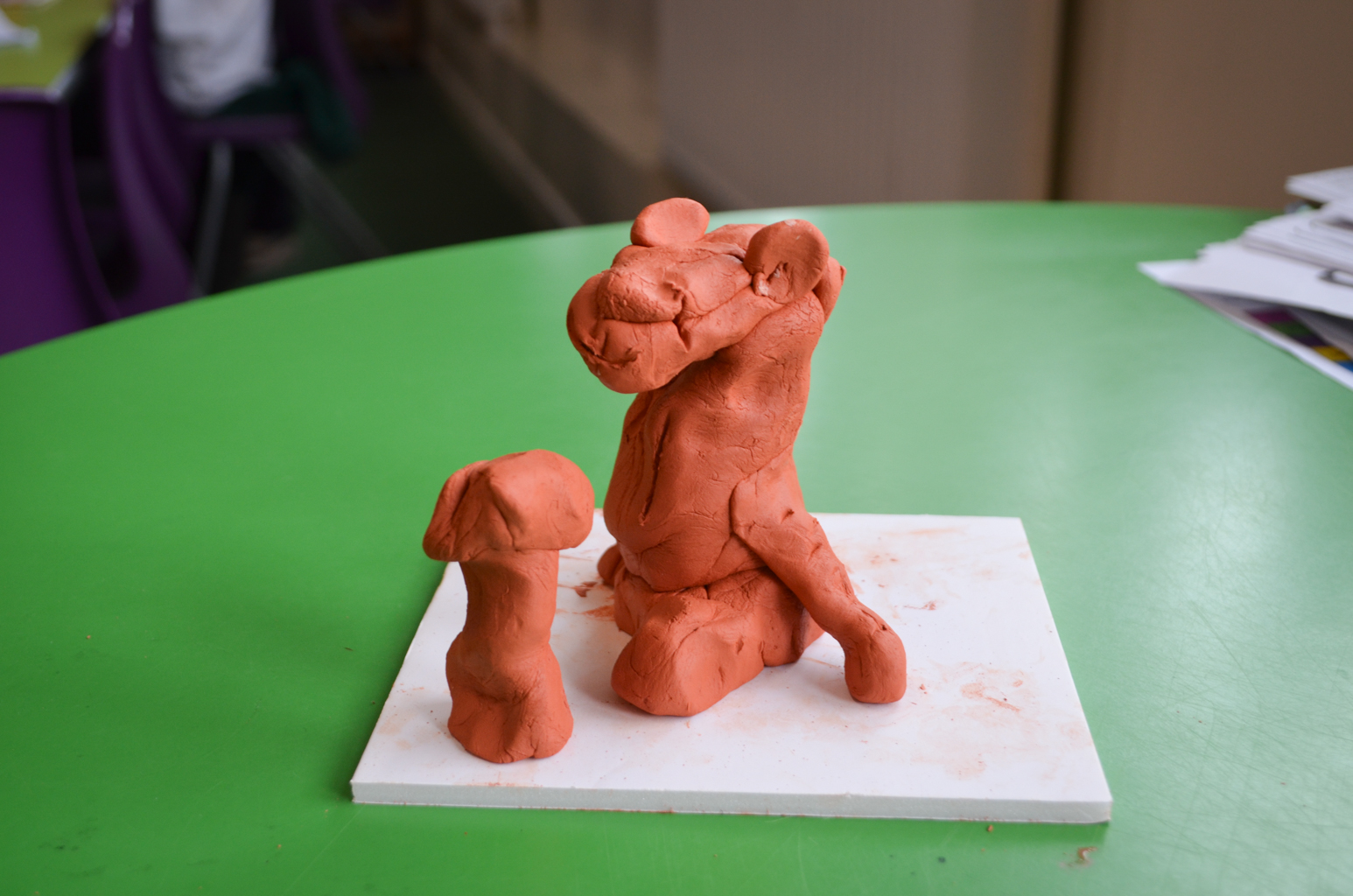
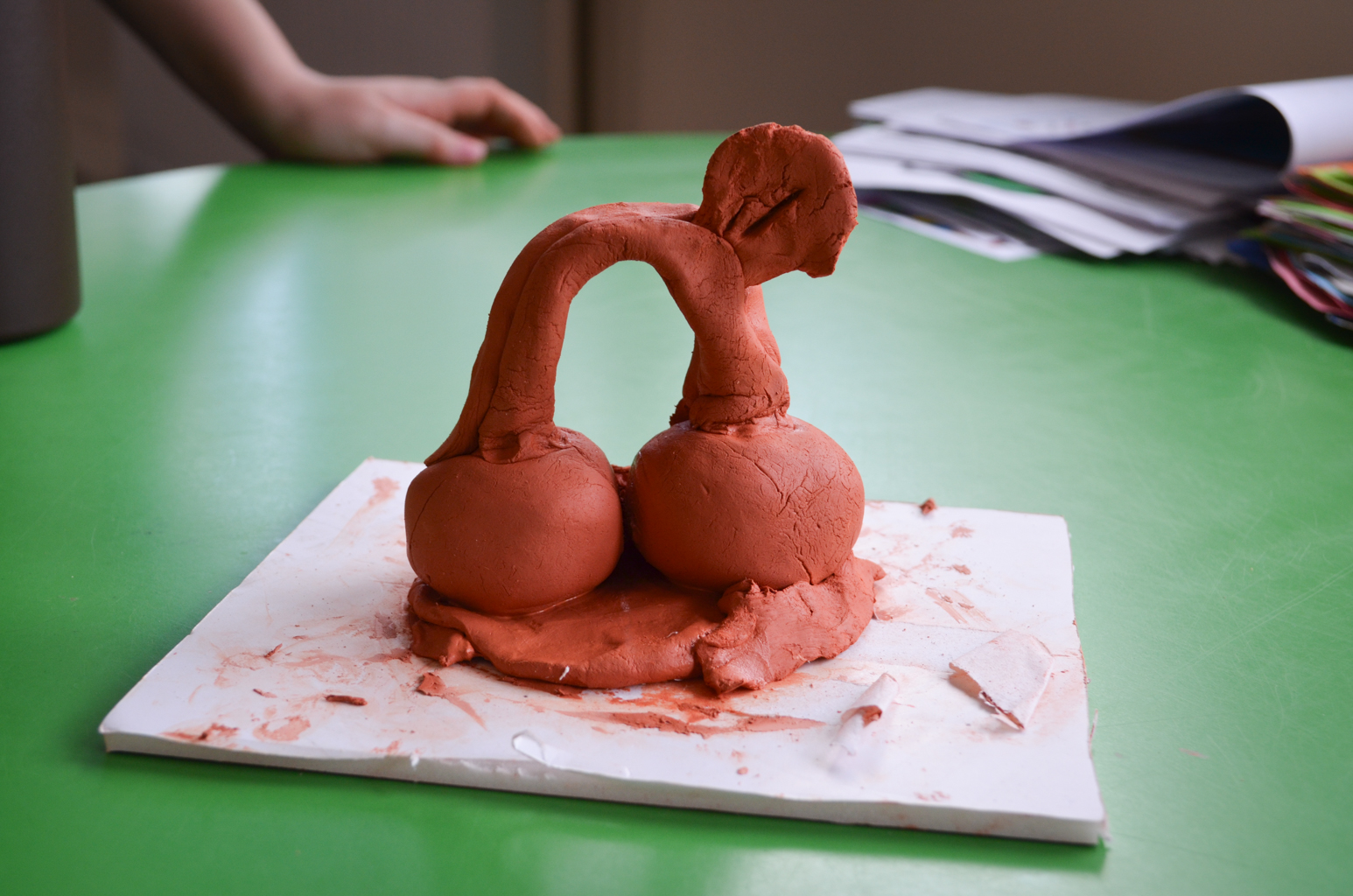
For fun, I also had a go at imagining the artworks in situ:
This kind of work can often be framed as not-very-important in the grand scheme of things, but I really appreciate the opportunity to spend time thinking about art and public spaces with those who might not often get to explore these ideas. Whether it’s a squeeze on school resources limiting access to varied arts education, or a squeeze on arts sector workers that make this kind of work feel unviable, too often we sideline the small acts of creativity that everyone should be able to take part in. When I visited Norway on an arts exchange a couple of years ago, I was really interested in their ‘cultural back-pack’ programme (Den kulturelle skolesekken, or DKS), basically a nationwide programme of professional arts activity that should be accessible to all through the school system and that requires students to undertake a number of cultural activities over the course of the year.
Public spaces should feel like places we can all have an impact on, that can be filled with vibrancy and possibility, and local decision-makers should look to make space for voices of all sizes to be heard, and unless we begin these conversations with young people, and across a wide variety of entry points – then we are not opening up the conversation for everyone.

